
How a Record Government Shutdown Reached MC
Amid the federal shutdown, MC’s Department of Communication postponed its D.C. trip; other university services were largely unaffected.


President Donald Trump signed a funding bill on Nov. 13 that officially ended a record 43-day federal government shutdown. The federal freeze was a result of Congress’ failure to pass appropriations legislation for the 2026 fiscal year. The six-week congressional stalemate caused the suspension of many government services including the shutdown of museums, parks, and tourist facilities. Although the shutdown had many costly effects, including the reduction of welfare distribution, delayed pay for federal workers, and a reduction mandate for air travel, the closure of facilities directly affected at least one group at Mississippi College (MC).
The Department of Communication at MC planned an educational and professional networking trip to Washington, D.C., for several of its students. The trip to the nation’s capital was originally scheduled for the beginning of November with six students and two faculty members signed up for the immersive experience. Planned activities included a visit to the U.S. Capitol and the Pentagon and a meeting with U.S. Senator Cindy Hyde-Smith.
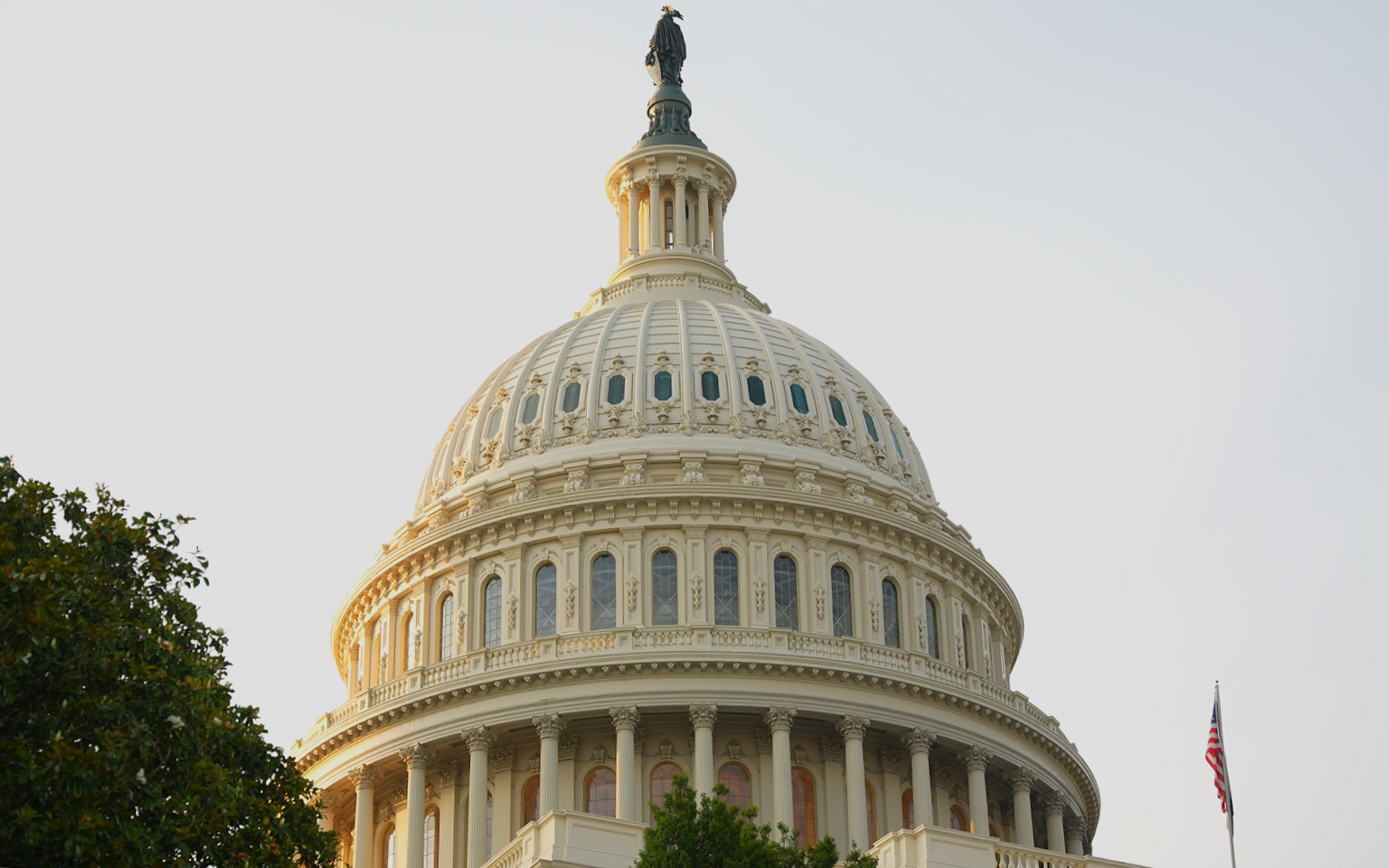
The group was originally scheduled to leave Nov. 1 and return to Clinton on Nov. 4. Reid Vance, chair of the MC Department of Communication, organized the experience. Vance began monitoring the status of the trip as soon as the shutdown started. The communication chair said his decision to postpone was made in late October, after determining that the group’s experience would be greatly hindered under then-current conditions. “We postponed it because many of the activities that we were going to take part in relied on us being able to access offices of the federal government,” Vance said. “It just didn’t make sense to make the trip and not be able to do those things which were essential components of the experience.”
When the government reopened, the trip was rescheduled for late March 2026. While the postponement is changing some students’ decision to attend, faculty are optimistic that the new dates will offer the same experience. “We hope to have all the things that we had scheduled for the original trip also in place for this updated trip in late March,” Vance said. “That includes a meeting with Mississippi College alumni all across D.C. They’ll be coming together for a large alumni meeting, and our students will be able to attend that.” The department chair said he enjoys reconnecting with Mississippi College alumni in Washington and that he looks forward to introducing current students to unique opportunities.
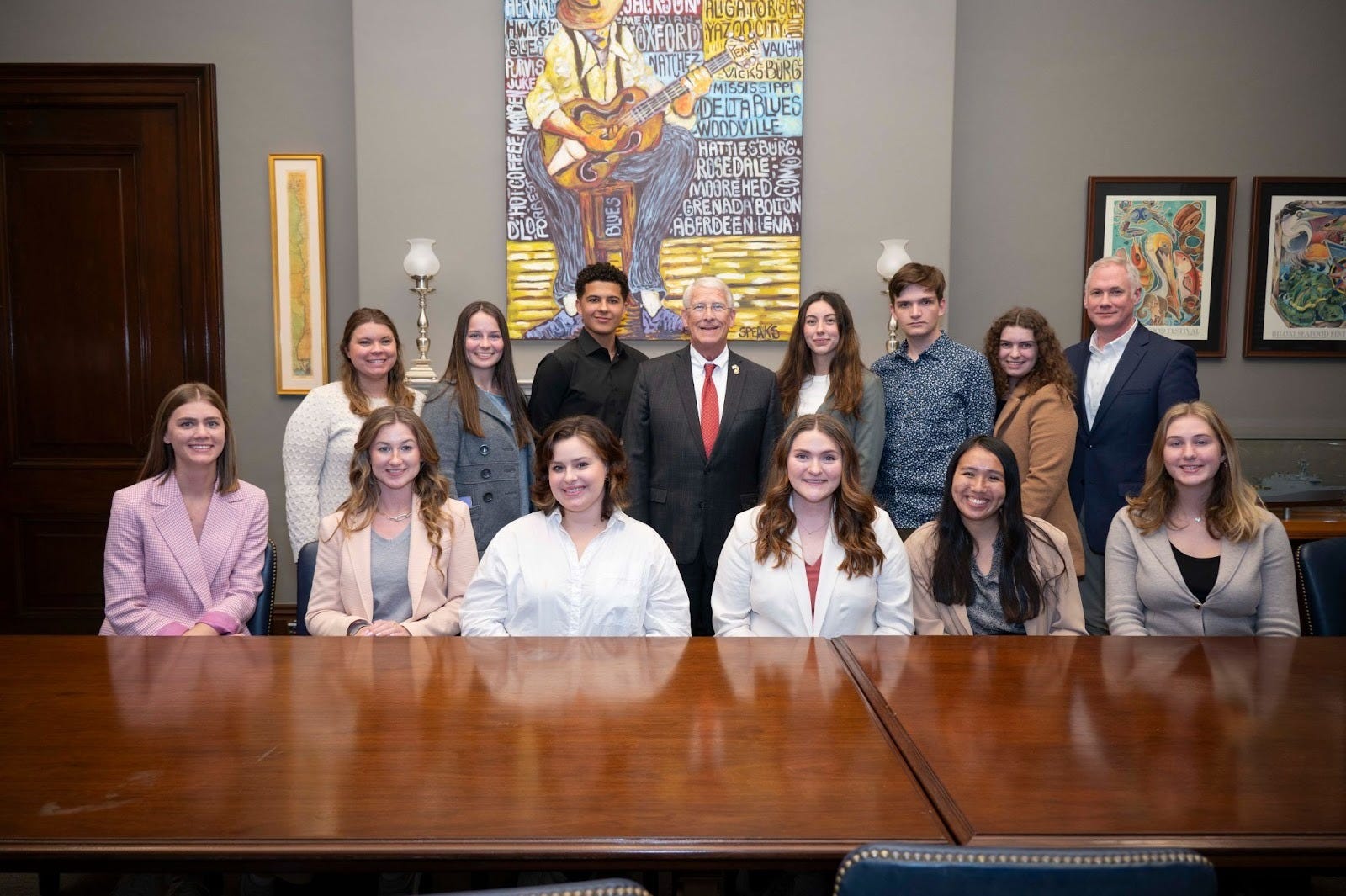
Aside from the postponement of the school trip, other university services were largely unaffected. Financial aid was an area that was not heavily impacted, yet remained a common concern among students. School officials said the timing of the shutdown occurred after financial aid staff had already completed the necessary programs and files for the current semester. Tawesia Colyer, director of the MC Office of Financial Aid, during the shutdown said the situation was stable but uncertain. “We are currently covered until May, so we should not be affected until after May,” Colyer said. “Students should remain calm and not panic about their financial aid.”
Prior to the shutdown, Colyer’s office experienced the effects of staffing reductions and structural changes within the Department of Education. These changes led to diminished customer service, reduced quality of support, and longer response times.
With the eventual passage of a continuing resolution, the government and the U.S. economy are now faced with the challenge of recovering from the historic shutdown. While many economic effects of the shutdown are still being calculated, some published reports show the emerging damage. Delta Air Lines, the world’s second-largest commercial carrier, reported an estimated loss of $200 million due to reduced operations mandated by the FAA. The U.S. Congressional Budget Office estimated that government furloughing during the shutdown would result in an $11 billion loss in real GDP.
 | A guest post by
|